The wonder of bamboo.
Bamboo Wonders began in 2019, in a workshop in Anji, Zhejiang — a county long known for its bamboo. It started from a simple observation: one of the fastest-growing plants on earth can also be one of the warmest materials in your home. Our work is to bring those two facts together — a plant that asks little of the earth, and an object you want to keep.
A note from Chao, founder
I started Bamboo Wonders in 2019 because bamboo would not leave me alone. It is one of the fastest-growing plants on earth, and after you cut it, it comes back from its own roots — that is not just a material property, it is a kind of vitality. A plant that renews itself, and asks so little of the planet in return, felt like the right thing to build a brand around.
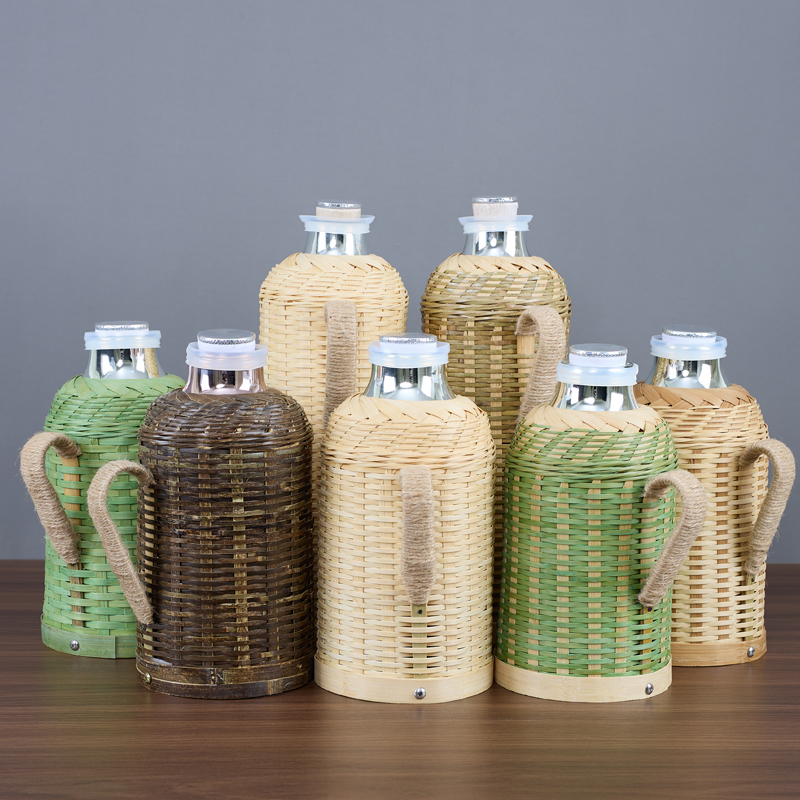
Anji was the natural place to do it. This is bamboo country: the material, the craft, and the people who know both are all here. The flask you see on this site is where that idea became an object — bamboo outside, glass inside, made by hand, made to be kept. That is still the test for everything we make: if it does not carry the life of the material, and does not last, it does not belong here.
— Chao
A grass, not a tree
Bamboo is a grass. After harvest, it regrows from its own roots — no replanting, no starting over — and reaches maturity in a few years rather than decades. That is the whole sustainability case in one sentence: a material that renews itself, used for something built to last. We use bamboo where it performs best — as a shell, a handle, a presence — and we do not pretend it is something it is not.
Two layers, one idea
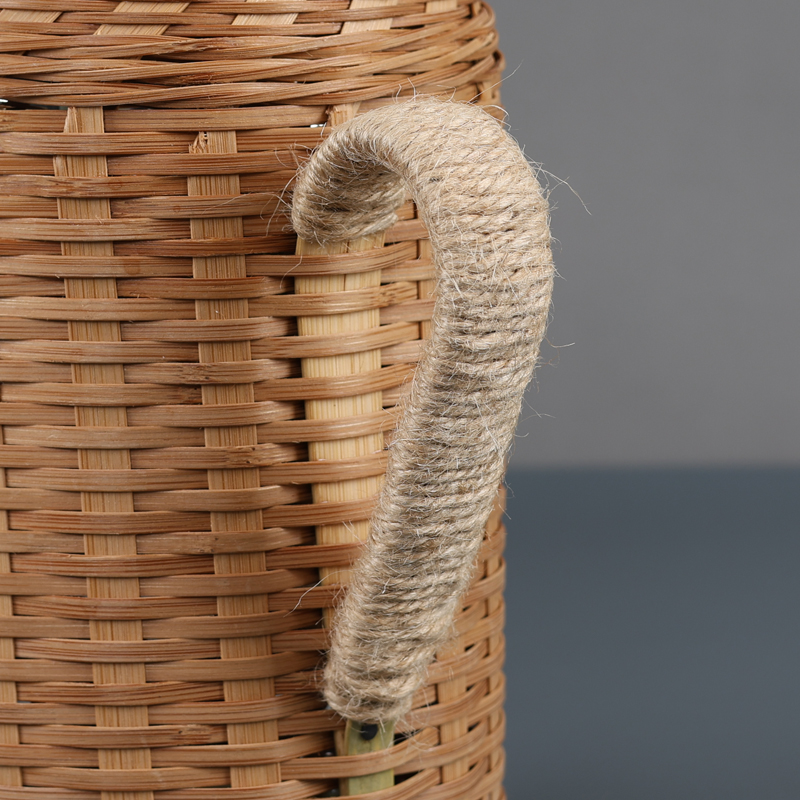
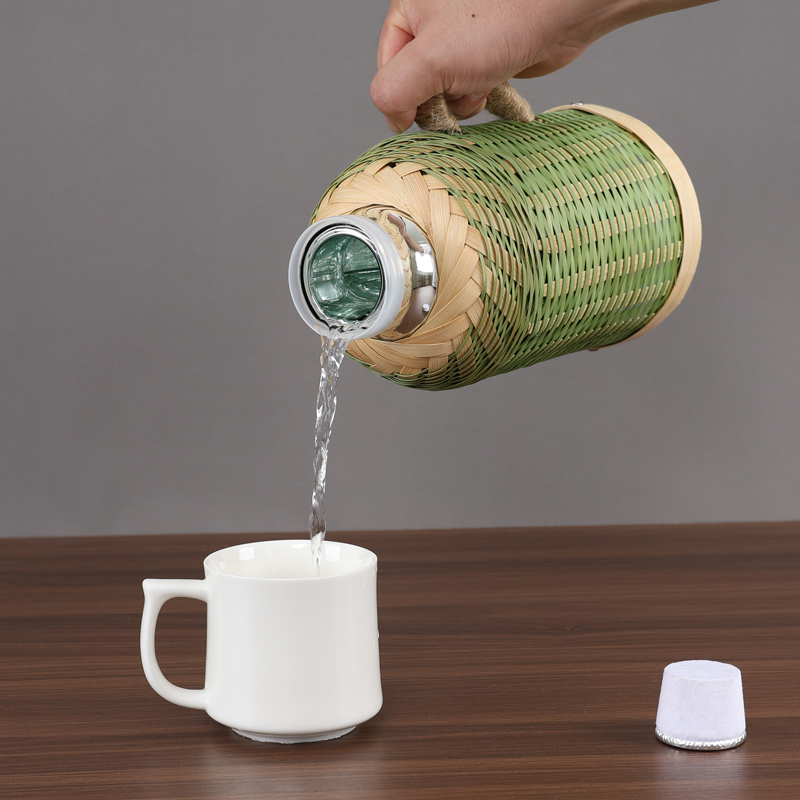
Every Bamboo Wonders flask is built in two layers. Outside: bamboo, woven by hand, warm to the touch, different in every piece. Inside: glass, because water deserves a surface that is inert, tasteless and easy to trust. We did not set out to make bamboo touch your water. We set out to make bamboo hold it, beautifully — and to be honest about which layer does which job.
Made by hand, made to be kept
Each shell is woven by hand, not by machine. Slight joints, burrs and colour variation are part of the craft, not defects — the signature of a human hand, and the reason no two flasks are exactly alike. And when the day comes that a liner has had its life, you do not throw the flask away: unscrew the base strips and the liner can be replaced. A product that can be repaired is a product that stays out of the bin, and that matters more to us than a lower price built on disposability.
Watch: the life of bamboo
From our workshop in Anji — flask shells being woven by hand.
And the material's journey, in two short stock clips:
The workshop clip is our own footage from Anji. The grove and harvest clips are licensed stock footage illustrating the life of the material.
What comes next
The flask is our hero, and the idea behind it travels: tea ware and home pieces made the same way — bamboo outside, honest materials inside, built to be kept. If that idea resonates with you, we would love to hear from you.